Source IP67 Solar Power Optimizer for Home, Commercial, Industrial
Find and compare 30 IP67 Solar Power Optimizer models from verified Chinese manufacturers. Evaluate key specifications such as voltage ratings, efficiency, and communication protocols to select the right component for residential, commercial, or industrial solar arrays; compare the available evidence and request quotations based on your requirements.
Key considerations
Products List
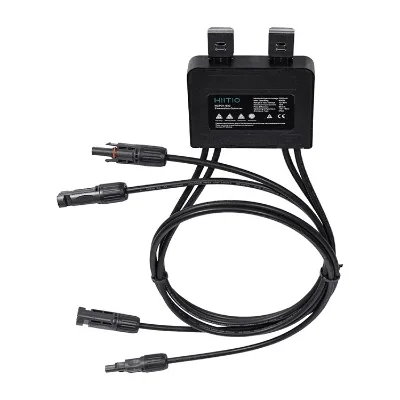


Sun Power Solar Power Optimizer 1600W Solar Panel Optimizer with Rapid Shut Down Protection
$44.50 - $52.00
MOQ: 100 Pieces


450W 650W 850W Single Solar Panel Power Optimizer with Module Level Monitoring System
$31.00 - $36.00
MOQ: 100 Pieces






Comprehensive Sourcing Guide
IP67 Solar Power Optimizer Sourcing Guide
Procuring IP67 solar power optimizers requires a precise understanding of the specific environmental and electrical demands of your installation site. These devices are engineered to maximize energy harvest from individual solar modules, particularly in scenarios where shading or module mismatch occurs. The core value proposition lies in their ability to operate reliably under harsh weather conditions while maintaining high efficiency, making them essential for commercial, industrial, and residential rooftop applications. Buyers must distinguish between generic optimizers and those specifically rated for the rigorous ingress protection standards required for long-term outdoor deployment.
The market presents a variety of models with differing input voltage and current ratings, necessitating a careful review of technical compatibility before selection. Observed listings indicate a wide range of input capabilities, with some units supporting up to 70VDC and others designed for specific system voltages like 1000V or 1500V. It is critical to verify that the selected optimizer matches the string configuration of your solar array to prevent performance bottlenecks. Procurement teams should prioritize units that explicitly state their operating voltage ranges and maximum input currents to ensure seamless integration with existing inverter systems.
Product Scope and Observed Listing Signals
When evaluating product listings, buyers should look for clear indicators of the optimizer's physical dimensions and packaging specifications, as these impact logistics and installation planning. Available data suggests that single package sizes can vary significantly, with some units measuring approximately 25x25x25 cm and others being more compact at 75x140x28 mm. The gross weight of individual units also fluctuates, ranging from roughly 270 grams to over 800 grams, which influences shipping costs and handling requirements on-site. Understanding these physical attributes is vital for calculating the total volume and weight of a bulk order.
Listing signals also reveal diverse branding and model number variations, ranging from specific model identifiers like HS4-O-800 to broader product lines such as SUN2000-600W-P. Some suppliers offer OEM services, allowing for custom branding, while others sell single items with standard packaging. Buyers must scrutinize the "Product Name" and "Type" fields to confirm the device is indeed an optimizer and not a generic inverter or controller. Additionally, the presence of communication protocols like PLC or wireless frequencies (868m/915m/2.4G) should be verified to ensure compatibility with the monitoring systems used in your facility.
Technical Specifications to Verify
The electrical performance of the optimizer is the primary determinant of its suitability for a specific solar project. Key parameters to verify include the maximum input voltage, which can range from 60V to 70VDC in observed listings, and the rated current, typically capped at 15A. It is essential to match these specifications with the open-circuit voltage of the solar panels in your array to avoid overvoltage conditions that could damage the unit. Furthermore, the operating voltage range, often cited as 13~60VDC, must align with the expected voltage output of the panels under various temperature conditions to ensure continuous operation.
Thermal management and environmental resilience are equally critical technical factors that define the longevity of the device. Buyers should confirm the operating temperature range, which typically spans from -40°C to +85°C, ensuring the unit can withstand extreme winter cold and summer heat without degradation. The ingress protection rating is a non-negotiable specification; while some listings mention IP67, others specify IP68, indicating a higher level of dust tightness and water immersion resistance. Verifying the exact IP rating is necessary to determine if the optimizer is suitable for direct exposure to heavy rain or submersion risks in your specific installation environment.
Compliance and Safety Documentation
Regulatory compliance is a fundamental requirement for importing and installing solar optimizers in most global markets. The supplied data indicates that many units carry CE and CB certifications, which are essential for demonstrating conformity with European safety and electromagnetic compatibility standards. Some listings also reference ISO certifications, suggesting adherence to international quality management systems. Procurement teams must request valid, up-to-date certification documents from suppliers to ensure that the products meet the legal requirements of the destination country before shipment.
Safety documentation should also include detailed information on the protective class and system voltage ratings to prevent electrical hazards. Observed specifications mention a Protective Class of II, which implies double insulation and the absence of a protective earth connection, a feature that simplifies installation but requires careful handling. Additionally, the maximum system voltage rating, often listed as 1500V, must be clearly documented to ensure the optimizer can safely operate within the high-voltage DC strings typical of commercial solar farms. Buyers should verify that all safety data sheets and user manuals are available in the local language to facilitate proper installation and maintenance.
Cost Drivers and Commercial Terms
The final cost of a solar optimizer procurement is influenced by several commercial variables, including the minimum order quantity (MOQ) and the unit price structure. Market observations show an MOQ range from as low as 1 unit to over 5000 units, which significantly impacts the per-unit cost for small versus large projects. The listed price range in USD varies between 19 and 150, reflecting differences in brand, technical specifications, and volume discounts. Buyers should negotiate based on their specific order volume to secure the most favorable pricing tier available from the supplier.
Lead times and delivery terms are other critical commercial factors that affect project scheduling and cash flow. Estimated delivery times observed in the market are typically around 14 days, but this can vary based on stock availability and shipping logistics. Suppliers may offer different packing configurations, such as 20 pieces per carton, which can optimize shipping efficiency and reduce damage risks during transit. It is advisable to clarify the Incoterms and payment terms early in the negotiation process to avoid unexpected costs or delays that could disrupt the overall project timeline.
Supplier Qualification and Quality Control
Selecting a qualified supplier is paramount to ensuring the reliability and performance of the solar optimizers. Buyers should prioritize suppliers who provide transparent information about their place of origin, with many listings indicating production in China, specifically in regions like Anhui. Verifying the supplier's manufacturing capabilities and history is essential to confirm they can consistently produce units that meet the specified technical and safety standards. A supplier with a proven track record in the solar industry is more likely to offer reliable after-sales support and warranty coverage.
Quality control processes should be a central part of the supplier evaluation, focusing on the consistency of product attributes like weight, dimensions, and material quality. The observed data shows variations in weight and size across different models, which suggests that buyers must implement strict incoming quality checks upon receipt of goods. Requesting pre-shipment inspection reports or third-party test results can provide additional assurance that the delivered units match the agreed-upon specifications. Establishing a clear quality agreement with the supplier helps mitigate the risk of receiving defective or non-compliant products.
Long-Term Procurement Checks
Sustaining a successful procurement relationship requires ongoing monitoring of product performance and supplier reliability over time. Buyers should establish a system for tracking the efficiency ratings and failure rates of the installed optimizers to identify any potential quality issues early. The observed maximum efficiency of 99.50% serves as a benchmark, but real-world performance data is necessary to validate these claims under actual operating conditions. Regular performance audits help ensure that the optimizers continue to deliver the expected power generation benefits throughout their lifespan.
Future procurement decisions should be informed by the supplier's ability to maintain consistent quality and provide timely support. As technology evolves, suppliers may introduce new models with improved features or higher efficiency ratings, and buyers should stay informed about these developments. Maintaining open communication with the supplier regarding updates in standards, certifications, or product specifications ensures that future orders remain compliant and competitive. A proactive approach to supplier management fosters a partnership that supports the long-term success and scalability of the solar energy project.
FAQs
What is the maximum input voltage for an IP67 Solar Power Optimizer?
The maximum input voltage is 70VDC. This rating ensures safe operation with compatible solar panels. The device also supports high system voltages up to 1500V. This allows for efficient string configuration in commercial and residential installations. Always verify panel specifications match these electrical limits for optimal performance and safety.
Can the IP67 Solar Power Optimizer handle high current inputs?
Yes, the rated current supports a maximum of 15A input. This capacity handles standard panel outputs effectively. The output current also reaches 15A. This ensures consistent power delivery without bottlenecks. It is suitable for various applications including industrial and home use.
Which certifications are available for ip67 solar power optimizers?
Common certifications include CE, CB, and ISO. These indicate compliance with international safety and quality standards. Some models also carry specific ISO marks. These credentials help buyers verify product reliability. They are essential for meeting regulatory requirements in global markets.
How long is the estimated delivery time for these optimizers?
The estimated delivery time is typically 14 days. This timeline applies to standard orders. Lead times may vary based on quantity and customization. Buyers should confirm specific schedules with suppliers. This ensures timely project completion and inventory management.
What is the ingress protection rating for these devices?
The ingress protection rating is IP67 or IP68. This ensures complete dust tightness and water resistance. IP68 offers enhanced protection against prolonged immersion. These ratings make the optimizers suitable for harsh outdoor environments. They guarantee durability and long-term reliability in various weather conditions.
Are custom branding options available for solar power optimizers?
Yes, OEM services are available for these optimizers. Buyers can request custom branding and packaging. This allows for private labeling and brand integration. Suppliers typically accommodate specific design requirements. This service is ideal for distributors and large-scale project developers.